
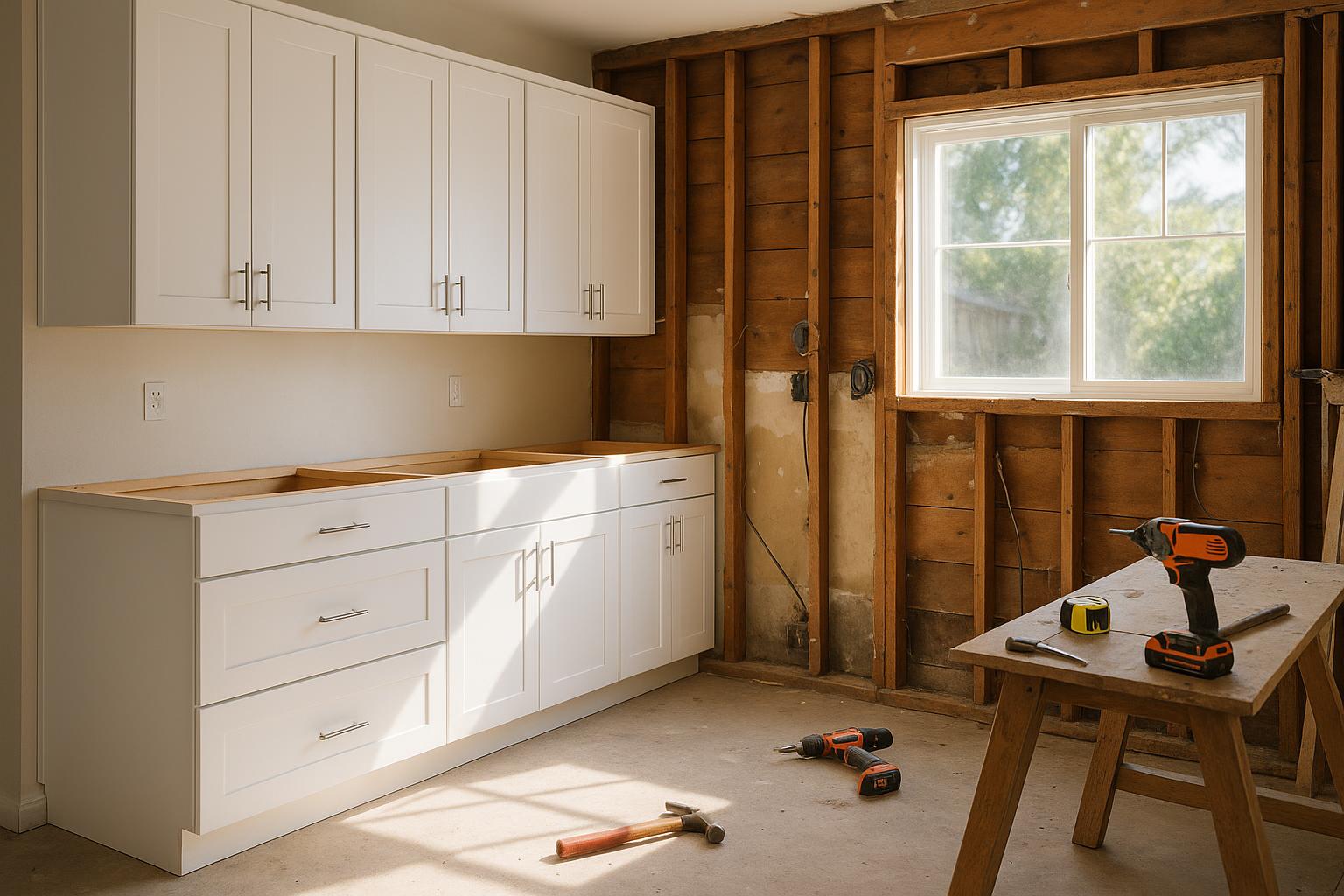
The Question Every San Diego Homeowner Asks First
You've been dreaming about a new kitchen for months—maybe years. The outdated tile, the cramped layout, the cabinets that have seen better decades. You're ready to pull the trigger. But before you commit, there's one question that always comes up first: how long is this actually going to take?
It's a fair question. Your kitchen is the most-used room in your home, and living without it for weeks (or longer) is a real disruption. The good news is that with proper planning and an experienced remodeling team, a kitchen renovation in San Diego follows a fairly predictable timeline. The bad news? There are plenty of things that can throw it off track if you're not prepared.
Let's break down what a realistic kitchen remodel timeline looks like, phase by phase, so you can plan accordingly.
The Short Answer: 6 to 12 Weeks for Most Projects
For a typical full kitchen remodel in San Diego, you're looking at roughly 6 to 12 weeks of active construction, depending on the scope of work. A smaller project like cabinet refacing and new countertops might wrap up in 2 to 3 weeks. A complete gut renovation with layout changes, new plumbing, and electrical work will land closer to the 10- to 12-week mark.
But here's what many homeowners don't realize: the construction phase is only part of the story. The planning, design, and material selection process that happens before demolition day can add another 4 to 8 weeks to your overall timeline.
Phase 1: Design and Planning (3–8 Weeks)
This is where the foundation of your project is laid—literally and figuratively. During this phase, you'll work with your remodeling team to:
- Finalize your kitchen layout and design
- Select cabinets, countertops, flooring, fixtures, and appliances
- Obtain necessary permits from the City of San Diego
- Order materials and schedule deliveries
Permit timelines in San Diego can vary. Simple cosmetic updates may not require permits at all, but anything involving structural changes, plumbing, or electrical work will. Plan for 1 to 3 weeks for permit approval, though it can sometimes take longer depending on the scope and the city's current workload.
One of the biggest time-saving tips we can offer: make your material selections early. Custom cabinets can take 4 to 6 weeks to fabricate. If you wait until the last minute to choose your countertop slab or cabinet style, you're building delays right into the schedule.
Phase 2: Demolition and Rough Work (1–2 Weeks)
Once permits are in hand and materials are ordered, the real action begins. Your old kitchen gets stripped down—cabinets removed, flooring pulled up, and old fixtures disconnected. If you're changing the layout, this is when walls come down and the new footprint takes shape.
After demolition, the rough-in work begins:
- Plumbing: Moving or adding water lines, drain lines, and gas connections
- Electrical: Running new circuits, adding outlets, and wiring for updated lighting
- Framing: Any structural modifications like removing a wall or adding a pass-through
This work needs to pass inspection before anything gets closed up behind drywall, so there's usually a brief pause while the city inspector reviews the rough-in work.
Phase 3: Installation (3–6 Weeks)
This is the longest and most exciting phase—when your new kitchen actually starts to come together. The typical installation sequence looks like this:
- Drywall and painting: Walls are patched, textured, and painted before cabinets go in.
- Cabinet installation: The backbone of your kitchen design goes up first.
- Countertop templating and installation: After cabinets are set, countertops are templated (measured precisely) and then fabricated. This usually takes 1 to 2 weeks from template to installation.
- Flooring: Depending on the material, flooring may go in before or after cabinets.
- Backsplash: Tile work happens after countertops are in place.
- Fixtures and appliances: Sinks, faucets, lighting, and appliances are installed last.
Each trade needs to work in sequence, and there are natural waiting periods between steps. A skilled remodeling contractor coordinates all of this so there's minimal downtime between phases.
Phase 4: Final Details and Walkthrough (3–5 Days)
The home stretch includes touch-up painting, hardware installation, final plumbing and electrical connections, caulking, and a thorough cleaning. Your contractor should walk through the finished kitchen with you to create a punch list—a checklist of any small items that need attention before the project is officially complete.
What Causes Delays (and How to Avoid Them)
Even the best-planned projects can hit snags. Here are the most common causes of kitchen remodel delays in San Diego and how to stay ahead of them:
- Material backorders: Supply chain issues are still a reality. Order materials as early as possible, and have backup selections in mind for items with long lead times.
- Permit delays: Submit permit applications early and make sure your contractor handles this proactively.
- Hidden problems: Older San Diego homes sometimes reveal surprises behind the walls—outdated wiring, water damage, or plumbing that doesn't meet current code. A good contractor will communicate these issues quickly and present solutions without derailing the project.
- Change orders: Changing your mind mid-project is one of the biggest timeline killers. Make your design decisions during the planning phase and stick with them.
- Scheduling conflicts: Working with a single remodeling company that manages all the trades in-house—rather than juggling multiple independent subcontractors—keeps the schedule tight and accountable.
Tips for Surviving the Remodel
Living through a kitchen renovation doesn't have to be miserable. Here are a few practical tips San Diego homeowners have found helpful:
- Set up a temporary kitchen station in another room with a microwave, coffee maker, and mini fridge.
- Plan for more takeout than usual—and explore some of San Diego's incredible local restaurants while you're at it.
- If you have young kids or pets, establish clear boundaries around the construction zone for safety.
- Communicate regularly with your contractor. A quick weekly check-in can prevent misunderstandings and keep things moving.
The Bottom Line
A kitchen remodel is a significant investment of both money and time, but it doesn't have to be an unpredictable ordeal. With a clear plan, early material selections, and an experienced local team managing the process, most San Diego kitchen renovations stay on schedule and deliver results that make every week of construction worth it.
If you're considering a kitchen remodel and want a realistic timeline based on your specific project, we're happy to walk you through what to expect. Every kitchen is different, and a detailed consultation is the best way to get an accurate picture of your timeline from start to finish.